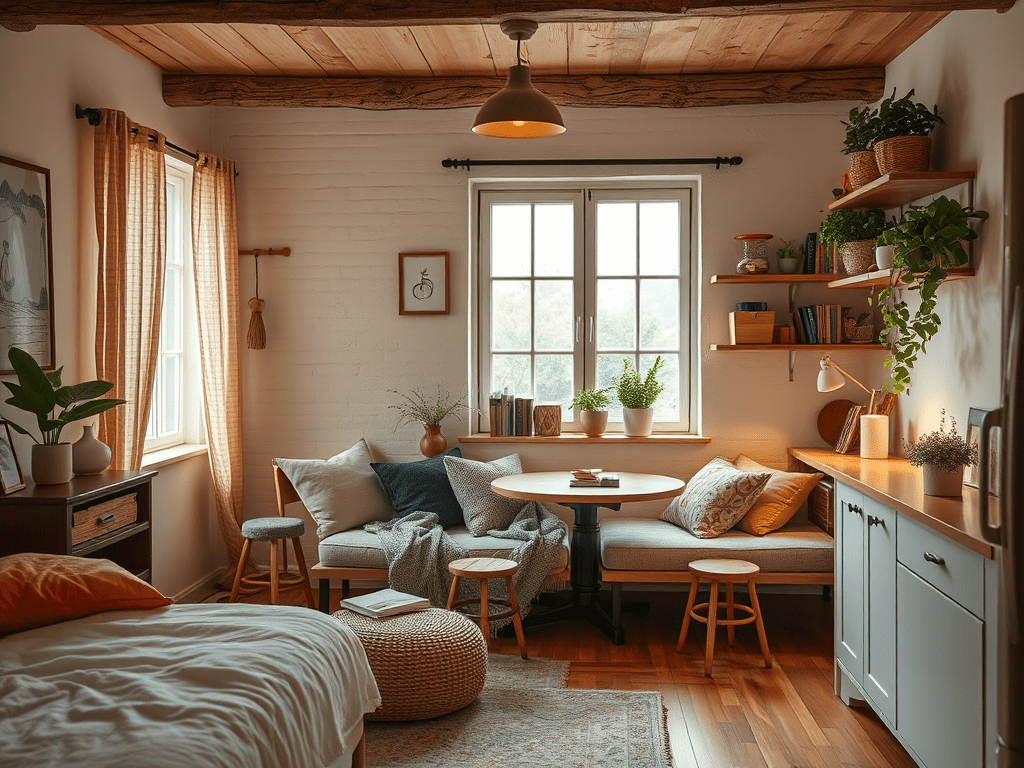

It only takes three seconds for the human brain to unconsciously process its surroundings.
Instinctively, we rely on our senses to determine if an environment is safe. What do we see? How does it feel? What do we smell, taste or hear? Our emotional radar system will clearly tell us to flee, fight or relax.
The first impression of what we see in a room is whether the nervous system stays alert or stands down. Whether it be a lively kitchen for bustling meal preparation or a tranquil bedroom posed for deep sleep, the invitation should feel calm and welcoming. Keeping materials organized reduces competing signals to the brain, and clear surfaces give the eye a place to rest. Opting for color palettes that don’t demand attention and further quiets the space. Impressive rooms may keep the eye scanning, but when visual noise falls away, the body understands that it is safe.
When we look at children, we see they are drawn to touch everything that feels inviting to them. They assume the world is meant to be engaged with. As we grow into adults, we are conditioned to perform or self monitor, to keep our hands to ourselves. Rooms that feel safe to touch are hospitable and warm. They offer seating that doesn’t require posture, materials that feel familiar to the skin, and textures that echo outdoor environments we instinctively trust. Impressive rooms ask the body to behave. Safe rooms offer permission; permission to relax the shoulders, to explore the surfaces around us, to feel the textures beneath our fingertips.
Have you ever walked into a home and smelled freshly baked cookies? Your nervous system relaxes instantly, signaling comfort and welcome. Smell is how a room introduces itself before you even think. Familiar, earth-based notes such as wood, herbs, or spices, register as recognition. Impressive rooms, by contrast, may perfume the air with novelty, drawing attention without allowing the body to settle. Familiar scents remind us that a room is hospitable, that we are safe to stay, to linger and rest.
Some rooms have a way of making you think you could stay in them and never leave. That feeling comes from more than just what we see or touch — it is a quiet, sustaining energy that feeds the body and mind. Taste is the sense that reveals whether a room sustains us. It is not about food on a plate, but the quiet nourishment a space offers the body and mind. Cozy textures, dreamy colors, and easy lounge spaces give the body freedom to still. Impressive rooms tend to be seasoned for display, commanding attention rather than comfort. In rooms that feel safe, the body can finally experience this quiet satisfaction, a sense of being fed by the space itself.
Hearing is where the nervous system makes its final decision. It is not about silence, but about predictability and softness. A safe room absorbs sound instead of reflecting it. Rugs catch sound before it bounces, and canvas or textile art quiets the walls. Even allowing the natural outdoor sounds in to reassure the body. Impressive rooms often amplify footsteps, voices, and echos. Safe rooms buffer the body.
Decorating a room to support the nervous system cultivates awareness and quiet in the mind. This does not mean that rooms cannot be both impressive and safe, or that safety excludes style. Even the smallest details such as textures under the fingertips, the soft echo of a room, the warmth of light—can shift the brain from tension to balance. When a space signals safety through what we see, smell, touch, taste and hear, it harmonizes the mind and body, quietly raising the rhythm.
 HOME
HOME 
Leave a comment